Utah does not require wills to be notarized, but adding a notarized self-proving affidavit makes probate faster and simpler. This guide covers the legal requirements, benefits, and process for notarizing a will in Utah.
No, Utah does not legally require a will to be notarized in order to be valid. However, adding a notarized self-proving affidavit to your will is one of the smartest estate planning moves you can make. This affidavit streamlines the probate process, eliminates the need for witnesses to testify in court, and protects your final wishes from unnecessary legal challenges. Here is everything you need to know about will notarization in Utah.
Key Takeaways
- Utah wills are valid without notarization as long as they are signed by the testator and two witnesses
- A notarized self-proving affidavit allows the will to be admitted to probate without witness testimony
- Holographic (handwritten) wills are valid in Utah but benefit significantly from notarization
- The notary fee for will-related documents is $10 per notarial act at NotaryLTD
- Under SB 139, effective May 6, 2026, notaries must maintain journals of all notarial acts
Need your will notarized in Park City?
NotaryLTD provides professional will notarization services at $10 per act. We serve Park City, Salt Lake City, and surrounding areas 7 days a week.
Book NowUtah Will Requirements: What Makes a Will Valid
Under Utah Code 75-2-502, a will is valid in Utah if it meets three basic requirements. The testator (the person making the will) must be at least 18 years old and of sound mind. The will must be in writing. And the will must be signed by the testator and by at least two individuals who witnessed the testator sign or heard the testator acknowledge the signature.
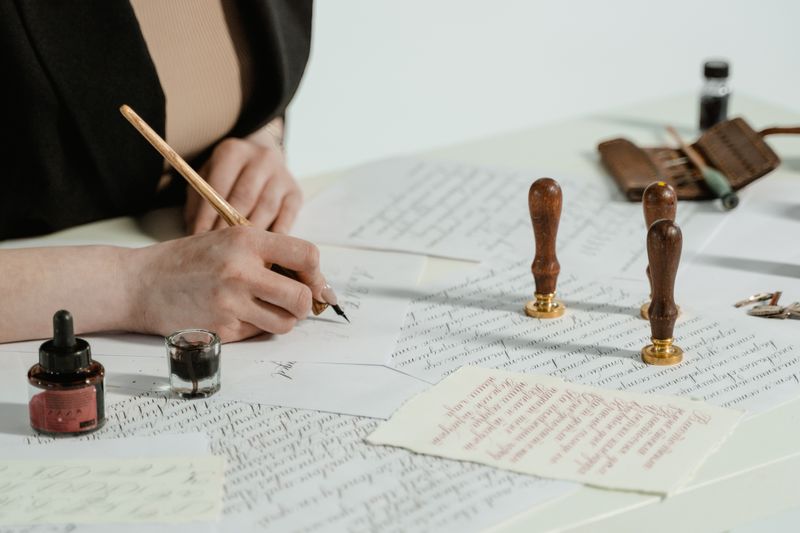
Notarization is not one of these requirements. A will that is properly signed and witnessed is legally enforceable in Utah even without a notary seal. This is an important distinction because many people assume notarization is mandatory for all legal documents. For wills specifically, the witness requirement is what gives the document its legal force.
However, the witness requirement creates a practical challenge during probate. If the will is not self-proving, the probate court may require one or both witnesses to appear and testify that they actually witnessed the testator sign the will. Finding witnesses months or years after the will was signed can be difficult, especially if they have moved, become incapacitated, or passed away. This is where notarization adds significant value.
Utah also recognizes holographic wills under Utah Code 75-2-503. A holographic will is one that is entirely in the testator's handwriting and signed by the testator. Holographic wills do not require witnesses to be valid, but they are more vulnerable to challenge during probate because there are no witnesses to confirm the testator's intent and mental capacity at the time of signing.
What Is a Self-Proving Affidavit?
A self-proving affidavit is a separate document, typically attached to the will, in which the testator and the witnesses swear under oath before a notary that the will was properly executed. The notary administers the oath, verifies the identities of the testator and witnesses, and applies their official seal to the affidavit.
Utah Code 75-2-504 specifically authorizes self-proving affidavits and provides the statutory form. When a will includes a properly executed self-proving affidavit, the probate court accepts the will without requiring the witnesses to appear and testify in person. The notarized affidavit serves as a substitute for live witness testimony.
The self-proving affidavit must include specific language prescribed by statute. It states that the testator declared to the witnesses that the instrument is their will, that they signed it willingly, and that they were of sound mind. The witnesses state that they observed the testator sign the will and that the testator appeared to be of sound mind and under no duress. Both the testator and the witnesses sign the affidavit in the presence of the notary.
This is not a formality. The self-proving affidavit is a sworn statement that carries legal weight. If anyone later challenges the will, the notarized affidavit provides powerful evidence that the execution was proper. The notary's seal and journal entry create an independent record of the event, including the date, the identities of all parties, and the nature of the act performed.
Benefits of Notarizing Your Will
While notarization is not required for a valid will in Utah, the practical benefits are substantial enough that most estate planning attorneys recommend it as a standard practice.
Faster probate is the most significant advantage. When a will is self-proving through a notarized affidavit, the probate court can admit it without a hearing to authenticate the signatures. This saves weeks or months of processing time and reduces the burden on your family during an already difficult period.
Reduced legal costs follow from the streamlined probate process. When witnesses must be located and brought to court, attorney fees increase. Depositions may be needed if witnesses live far away or are unable to travel. These costs come out of the estate, reducing the inheritance available to beneficiaries. A $10 notarization now can save hundreds or thousands of dollars later.
Protection against challenges is another critical benefit. A notarized self-proving affidavit creates a strong presumption that the will was properly executed. Anyone contesting the will must overcome the evidence provided by the notarized affidavit, which is a high legal bar. Without the affidavit, challengers have an easier path to raising questions about whether the witnesses were actually present, whether the testator was of sound mind, or whether the signatures are authentic.
Peace of mind for your family cannot be overstated. Estate administration is stressful under the best circumstances. Knowing that the will has a self-proving affidavit means your family can focus on grieving and healing rather than navigating legal complications. Visit our estate planning notary page for more details on how we support families through this process.
Holographic Wills and Notarization in Utah
Holographic wills present a unique situation in Utah. Because they do not require witnesses, they are already somewhat informal documents. However, this informality makes them more susceptible to probate challenges.
A handwritten will that is also notarized carries more weight than one that is not. The notary's seal and journal entry provide independent verification of the testator's identity, the date the will was signed, and the testator's apparent mental state at the time of execution. This evidence can be invaluable if the will is later challenged.
If you have a holographic will, consider having it notarized even if you do not add a formal self-proving affidavit. The notarization creates an official record that you appeared before a notary, presented valid identification, and signed the document voluntarily. At NotaryLTD, we handle holographic will notarizations regularly and can explain what the notarization does and does not accomplish from a legal perspective.
Keep in mind that while we provide professional notarization, we are not attorneys and cannot provide legal advice about the contents of your will. If you have questions about whether your holographic will meets Utah's legal requirements, we recommend consulting with an estate planning attorney. Our FAQ page addresses many common questions about what notaries can and cannot do.
The Notarization Process for Wills
Getting your will notarized at NotaryLTD is straightforward. Here is what to expect when you bring your will and witnesses to our office or schedule a mobile notary appointment.
You will need the completed will, ready for signatures. Do not sign the will before arriving. The testator and witnesses must sign in the presence of the notary for the self-proving affidavit to be valid. If the will has already been signed and witnessed but you want to add a self-proving affidavit, the testator and witnesses can sign the affidavit as a separate document.
The testator and both witnesses must bring valid government-issued photo ID. Acceptable forms include a state driver's license, state ID card, or U.S. passport. Utah Driving Privilege Cards are not accepted for notarization purposes. The notary will verify the identity of each person who signs.
The notary will administer an oath to the testator and witnesses. This is a brief, formal statement in which each party swears that the information in the self-proving affidavit is true. The notary will then watch each person sign the affidavit and apply their official seal.
The fee is $10 per notarial act. If the testator and two witnesses each need their signatures notarized on the affidavit, that would typically be $10 for the affidavit notarization. For mobile notary visits, a travel fee of $0.70 per mile applies. Our pricing page has a complete breakdown of all fees. We are available Monday through Sunday, 9 AM to 9 PM, and serve the entire Park City, Salt Lake City, and Summit and Wasatch County areas.
SB 139 and New Journal Requirements
Beginning May 6, 2026, Utah's SB 139 makes journal-keeping mandatory for all notarial acts. This is particularly relevant for will notarizations because the journal entry provides an additional layer of evidence supporting the validity of the self-proving affidavit.
The journal entry for a will notarization will include the date and time of the notarization, the type of notarial act performed, the names and identification details of the testator and witnesses, and the document type. This permanent record exists independently of the will itself and can be referenced if the original will is ever lost, damaged, or challenged.
At NotaryLTD, we have maintained detailed journals throughout our 30-plus years of service, well before SB 139 made it mandatory. Commission #742886 represents our commitment to professional standards and thorough record-keeping. When you have your will notarized with us, you can be confident that the transaction is properly documented and protected.
Common Mistakes to Avoid
Several common errors can undermine the validity of a will or its self-proving affidavit. Being aware of these mistakes helps ensure your estate planning documents hold up during probate.
Signing the will before meeting with the notary is a frequent mistake. For the self-proving affidavit to be effective, the testator and witnesses must sign in the notary's presence. If the will is already signed, you can still add a self-proving affidavit as a separate document, but the original signatures on the will itself will not carry the benefit of notarial witnessing.
Using unqualified witnesses is another common issue. Utah law does not allow interested parties, meaning people who inherit under the will, to serve as witnesses. While an interested witness does not automatically invalidate the will, it can create complications during probate and invite challenges from other beneficiaries.
Failing to use the statutory form for the self-proving affidavit can cause problems. Utah Code 75-2-504 provides specific language that must be included in the affidavit. Using non-standard language may result in the court not accepting the will as self-proving, which defeats the purpose of the notarization.
Not keeping the original will in a safe location is a practical mistake that affects many families. After notarization, store the original will in a fireproof safe, with your attorney, or in another secure location. Inform your executor of the will's location. A notarized will that cannot be found is of no value to anyone.
Need a self-proving affidavit notarized?
Bring your will and witnesses to NotaryLTD for professional notarization at $10 per act. We serve Park City and surrounding areas.
Book NowCan You Notarize a Will Through RON?
Utah's RON framework does allow for remote notarization of will-related documents, but there are important considerations. The self-proving affidavit can be notarized through a RON session, provided all parties (testator and witnesses) participate in the same session and the notary can verify everyone's identity through the RON platform.
However, some estate planning attorneys prefer in-person notarization for wills because of the additional layer of personal verification it provides. In-person notarization allows the notary to observe the testator's demeanor, mental state, and freedom from coercion more directly than through a video connection. While both methods are legally valid under Utah law, the choice between in-person and RON often depends on the specific circumstances and the preferences of the parties involved.
If you choose RON for your will notarization, NotaryLTD charges $25 per RON session. All participants will need to pass identity verification through the RON platform, including knowledge-based authentication and credential analysis of their photo IDs. The entire session is recorded as required by Utah law, which provides a permanent audiovisual record of the notarization.
For help deciding between in-person and RON notarization for your will, contact us at 435-565-1333. We are happy to discuss your situation and recommend the best approach for your needs.
Get your will properly notarized today.
In-person or RON options available. NotaryLTD has 30+ years of experience and serves clients throughout Utah.
Book NowFrequently Asked Questions
About the Author
Deborah Cuha
Licensed Utah Notary Public (Commission #742886) with 30+ years of experience. NNA Certified Loan Signing Agent and Certified Remote Signing Agent. Based in Park City, serving Summit, Wasatch, and Salt Lake counties.
Read Full Bio →