It depends on the type of notarization required. An acknowledgment can be performed on a pre-signed document, but a jurat requires the signer to sign in the notary's presence.
An acknowledgment allows notarization of a pre-signed document, but a jurat requires the signer to sign in the notary's presence.
Key Takeaways
- Acknowledgments do not require the signer to sign before the notary
- Jurats require the signer to sign in the notary's presence and swear an oath
- The signer must still personally appear before the notary for both types
- The notary verifies identity regardless of when the document was signed
- Check the notarial certificate on your document to determine which type is required
Not sure what type of notarization your document needs?
NotaryLTD can review your document and advise you before your appointment. Call us at 435-565-1333.
Book NowUnderstanding Acknowledgments vs Jurats
The two most common types of notarization are acknowledgments and jurats, and they have different rules about when the document can be signed.
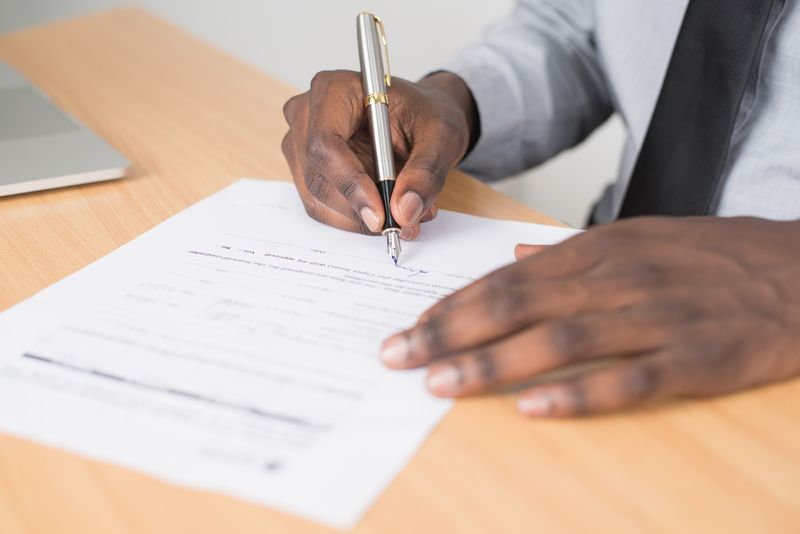
An acknowledgment is a notarial act where the signer appears before the notary and declares that they signed the document willingly and for its intended purpose. The critical point is that the signer does not need to sign the document in front of the notary. They can sign it beforehand, bring it to the notary, present their ID, and acknowledge that the signature on the document is theirs. The notary verifies the signer's identity and confirms that they are acknowledging the signature voluntarily.
A jurat, sometimes called a verification on oath or affirmation, is different. For a jurat, the signer must sign the document in the notary's physical presence (or live on video for RON sessions). In addition, the signer must take an oath or affirmation that the contents of the document are true and correct. If a document requires a jurat and has already been signed, the signer may need to re-sign it in front of the notary.
How do you know which type your document requires? Look for the notarial certificate, which is usually a block of text at the bottom of the document or on a separate page. An acknowledgment certificate typically uses language like "acknowledged before me" or "appeared before me and acknowledged." A jurat certificate uses language like "subscribed and sworn to before me" or "signed and sworn in my presence." If the document does not have a notarial certificate, the notary can attach one, but the signer or their attorney should specify which type is needed.
How Acknowledgments Work With Pre-Signed Documents
For an acknowledgment, you can sign the document at home, at your lawyer's office, or anywhere else, and then bring it to the notary.
This is one of the most convenient aspects of acknowledgments. A common scenario is signing real estate documents at a title company and then having them notarized. Another is signing a power of attorney at your attorney's office and bringing it to a notary for the acknowledgment. The notary does not witness the signing itself; they witness the signer's acknowledgment that the signature is theirs.
During the acknowledgment process, the notary verifies the signer's identity using a valid government-issued photo ID, confirms that the signer is personally appearing before them, asks the signer to acknowledge that the signature on the document is theirs, and confirms that the signer signed willingly. The notary then completes the notarial certificate and applies their seal and signature.
It is important that the signer personally appears before the notary, even though they signed the document elsewhere. Someone cannot send a pre-signed document with a third party and have that third party present it to the notary. The signer must be there, whether in person for traditional notarization or live on video for RON. The purpose is to allow the notary to verify identity and assess willingness firsthand.
Why Jurats Require Signing in the Notary's Presence
Jurats serve a different legal purpose than acknowledgments and require the notary to witness the actual signing of the document.
The jurat exists because certain documents carry sworn statements. When you sign a document under a jurat, you are swearing under penalty of perjury that the contents are true. The notary's role is to administer the oath or affirmation and to witness your signature as part of that sworn act. This is why the signature must happen in the notary's presence: the notary is attesting that you signed while under oath.
Common documents that require jurats include affidavits, sworn statements, certain court filings, and some immigration documents. If you have already signed a document that requires a jurat, you have two options. First, you can cross out your existing signature, initial the change, and sign again in front of the notary. Second, if the document cannot be altered, you may need to obtain a fresh, unsigned copy and sign it during the notarization appointment.
For RON sessions, the same rules apply. The notary must watch you apply your electronic signature on camera while under oath. If you applied your electronic signature before the RON session began, the notary cannot perform a jurat on that document. The platform records the entire session, providing evidence that the oath was administered and the signature was witnessed in real time.
Bring your pre-signed document to NotaryLTD
We will determine the correct notarization type and complete it properly. Available 7 days a week, in-person or RON.
Book NowCommon Scenarios With Pre-Signed Documents
Real estate deeds, powers of attorney, and business contracts are among the most common pre-signed documents brought to notaries.
Real estate transactions frequently involve acknowledgments. A seller may sign a deed at their attorney's office and then bring it to a notary for acknowledgment. This is perfectly acceptable because deeds typically require acknowledgments, not jurats. The notary verifies the seller's identity and witnesses their acknowledgment that they signed the deed willingly.
Powers of attorney are another common example. The principal often signs the power of attorney at their attorney's office during the drafting appointment and then has it notarized separately. As long as the document calls for an acknowledgment, bringing the pre-signed document to the notary is fine. The principal appears before the notary, presents ID, and acknowledges the signature.
Business contracts, loan documents, and settlement agreements can go either way. Loan signings typically involve a mix of documents, some requiring acknowledgments and others requiring jurats. An experienced notary signing agent knows the difference and ensures each document is handled correctly. If you are unsure about your documents, contact NotaryLTD before your appointment so we can advise you.
Tips for Bringing Pre-Signed Documents
Prepare properly to ensure your notarization appointment goes smoothly when bringing a pre-signed document.
First, check the notarial certificate on your document. If it calls for an acknowledgment, you are fine to bring it pre-signed. If it calls for a jurat or you are unsure, bring a fresh unsigned copy as well, just in case. This prevents the need for a second appointment if the notary determines that the document needs to be signed in their presence.
Second, bring valid identification. A government-issued photo ID with a signature and physical description is required. A driver's license, state ID, or passport works. Driving Privilege Cards are not accepted. The ID must be current and unexpired. For more on identification requirements, visit our FAQ page.
Third, make sure the document is complete. No significant blank spaces should remain. The signer's name on the document should match the name on their ID. If there are discrepancies in name spelling, middle names, or suffixes, resolve these before the appointment. The notary cannot change the name on a document, and a mismatch between the document and the ID can prevent notarization.
Finally, understand that the notary will ask questions. They may ask whether you signed the document willingly, whether you understand its contents, and whether anyone is pressuring you to sign. These questions are required as part of the notary's duty to ensure a proper notarization, not an intrusion into your personal business. Answer honestly, and the process will proceed smoothly.
SB 139 and Documentation of Pre-Signed Documents
Utah's SB 139, effective May 6, 2026, requires enhanced journal entries that will document whether a document was pre-signed or signed in the notary's presence.
Under the new SB 139 requirements, notaries must maintain detailed journals for every notarial act. For acknowledgments of pre-signed documents, the journal entry will record that the signer appeared and acknowledged a previously affixed signature. For jurats, the journal will document that the signer signed in the notary's presence under oath. These detailed records provide an additional layer of accountability and protection for all parties.
NotaryLTD has already implemented all SB 139 journal requirements ahead of the May 6, 2026 effective date. Whether you bring a pre-signed document for an acknowledgment or need to sign in our presence for a jurat, every detail is properly documented. Our office is located at 1090 Center Dr, Suite 23, Park City, UT 84098, and we are available seven days a week from 9 AM to 9 PM. Call 435-565-1333 or visit our contact page to schedule your appointment.
Schedule your notarization today
NotaryLTD handles acknowledgments and jurats with precision. Commission #742886, NNA Certified, 30+ years experience.
Book NowFrequently Asked Questions
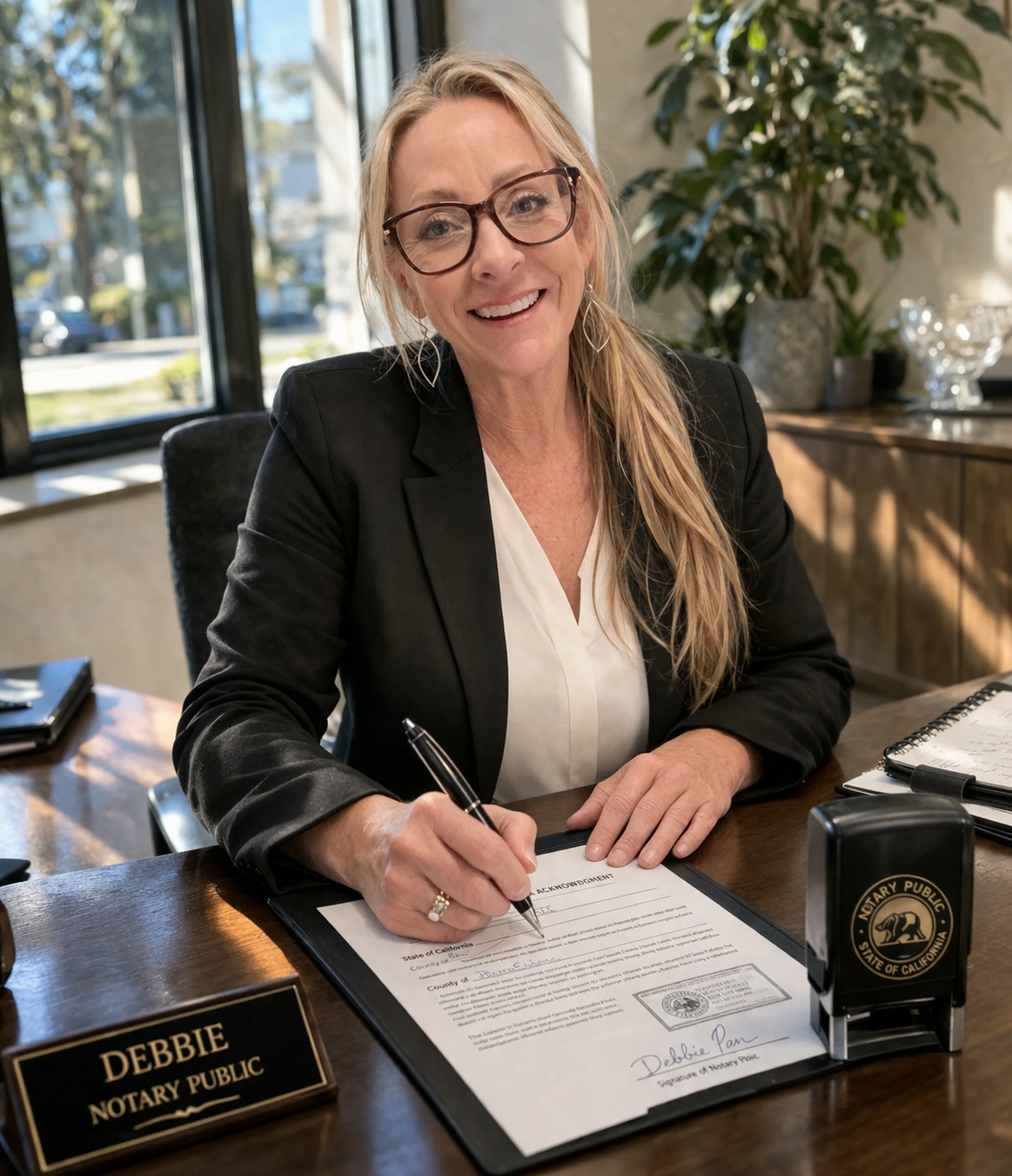
About the Author
Deborah Cuha
Licensed Utah Notary Public (Commission #742886) with 30+ years of experience. NNA Certified Loan Signing Agent and Certified Remote Signing Agent. Based in Park City, serving Summit, Wasatch, and Salt Lake counties.
Read Full Bio →