A jurat requires you to sign before the notary and take an oath. An acknowledgment confirms you previously signed willingly. Here is when to use each.
A jurat requires signing before the notary with an oath. An acknowledgment confirms a previous signature. Here is how each works in Utah.
Key Takeaways
- Jurat: Signer must sign in the notary's presence and take an oath or affirmation.
- Acknowledgment: Signer confirms they previously signed the document willingly.
- Do NOT pre-sign documents that require a jurat.
- Both cost the same: up to $10 in-person or $25 for RON per act.
- The document's notarial certificate tells you which type is required.
Need a document notarized?
NotaryLTD handles both jurats and acknowledgments with 30+ years of expertise. Available 7 days a week.
Book NowWhat Is a Jurat?
A jurat is a notarial act where the signer signs the document in the notary's presence and takes an oath that the contents are true.
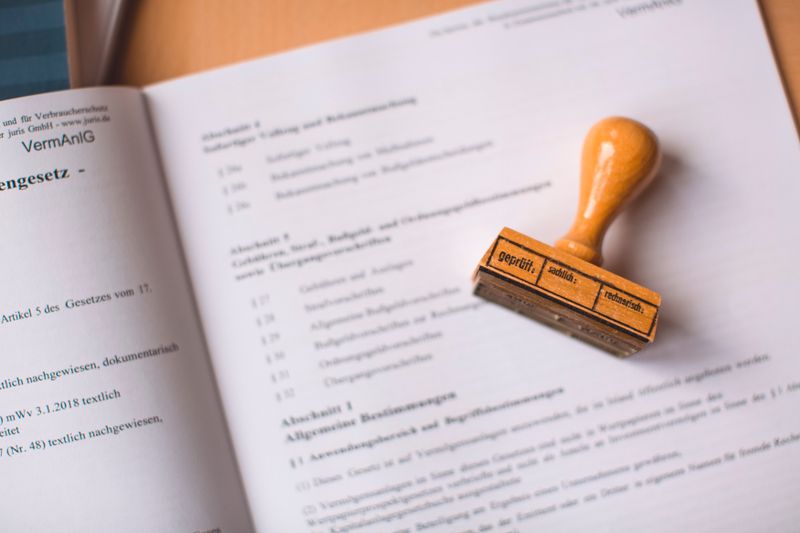
A jurat, sometimes called a "verification on oath or affirmation," combines two critical elements. First, the notary must personally witness the signer's act of signing the document. This means the document must be unsigned when you arrive at the notary appointment. If you have already signed it, the notary cannot perform a jurat because they did not witness the signing.
Second, the signer must take an oath or affirmation before the notary, swearing that the contents of the document are true and correct. This is a legally binding statement. If the contents later prove to be false, the signer can be charged with perjury because they swore to the truthfulness of the document under oath.
The notarial certificate for a jurat typically contains language such as "Subscribed and sworn to before me" or "Signed and sworn before me on this date." When you see this language on your document, you know a jurat is required and you must not sign until you are with the notary.
Common documents that require jurats include affidavits, sworn statements, depositions, court filings, and certain government forms. Any document that requires the signer to swear to the truth of its contents will typically call for a jurat rather than an acknowledgment. If you are unsure which your document requires, bring it unsigned to your appointment and the notary will determine the correct act. Visit our FAQ for more guidance.
What Is an Acknowledgment?
An acknowledgment is a notarial act where the signer confirms to the notary that they signed the document willingly.
An acknowledgment is the more common of the two notarial acts and the process is straightforward. The signer appears before the notary and acknowledges that the signature on the document is theirs and that they signed it voluntarily, without coercion or duress. The notary does not need to witness the actual signing.
This means you can sign the document before your notary appointment. As long as you can appear before the notary, present your identification, and confirm that you signed it willingly, the acknowledgment can be completed. The notary verifies your identity, confirms your acknowledgment, applies the notarial certificate and seal, and the document is notarized.
The notarial certificate for an acknowledgment typically contains language such as "Acknowledged before me" or "Personally appeared before me and acknowledged that they executed the foregoing instrument." When you see this language on your document, you know an acknowledgment is required and you may pre-sign if you wish.
Acknowledgments are the standard for real estate documents including deeds, mortgages, and deeds of trust. They are also used for powers of attorney, corporate resolutions, and many other business and legal documents. The majority of loan signing documents require acknowledgments rather than jurats.
Key Differences Side by Side
Here is a clear comparison of the two most common notarial acts to help you prepare correctly for your appointment.
| Feature | Jurat | Acknowledgment |
|---|---|---|
| When to sign | In the notary's presence | Before or during the appointment |
| Oath required | Yes, oath or affirmation required | No oath required |
| What notary verifies | Identity, witnessed signature, oath | Identity and voluntary signing |
| Common documents | Affidavits, sworn statements, court filings | Deeds, mortgages, powers of attorney |
| Utah fee (in-person) | Up to $10 per act | Up to $10 per act |
| Certificate language | "Subscribed and sworn to before me" | "Acknowledged before me" |
Not sure which notarial act your document needs?
Send us a photo of your document and we will tell you whether it requires a jurat or acknowledgment.
Book NowCommon Mistakes to Avoid
The biggest mistake is pre-signing a document that requires a jurat. This forces you to start over with a new document.
The single most common mistake signers make is signing a document before their notary appointment when the document requires a jurat. Because the notary must witness the signing, a pre-signed document cannot receive a jurat. The notary will ask you to obtain a new unsigned copy and return for a second appointment, costing you time and potentially money.
To avoid this, read the notarial certificate language on your document before signing anything. If it says "subscribed and sworn" or "signed and sworn before me," do not sign. If it says "acknowledged before me," you can sign at your convenience before the appointment.
Another common mistake is confusing the two types and asking for the wrong one. If your document specifically requires an acknowledgment and the notary performs a jurat instead, or vice versa, the receiving party may reject the document. The document itself dictates which act is required, and it is the notary's responsibility to perform the correct one.
A third mistake is not having the notarial certificate prepared. Some documents come with the notarial certificate already printed on them. Others require a separate certificate to be attached. If your document does not include notarial certificate language, the notary will attach the appropriate certificate. At NotaryLTD, we carry all standard certificate forms and will ensure the correct one is used for your document.
When in doubt, bring your documents unsigned and let the notary determine the correct procedure. With over 30 years of experience and NNA certification, Debbie at NotaryLTD will identify the required act and guide you through the process seamlessly. Check our mobile notary services for more details.
Other Notarial Acts in Utah
Beyond jurats and acknowledgments, Utah notaries perform oaths, affirmations, copy certifications, and signature witnessing.
While jurats and acknowledgments are the two most common notarial acts, Utah notaries are authorized to perform several others. An oath is a verbal pledge of truthfulness, often administered during depositions or court proceedings. An affirmation serves the same purpose as an oath but without religious connotation, for individuals who prefer not to swear an oath.
A copy certification verifies that a photocopy of an original document is a true and accurate reproduction. This is commonly used for diplomas, transcripts, and identification documents when the original cannot be sent. Note that notaries cannot certify copies of vital records such as birth certificates or death certificates, as those must be certified by the issuing agency.
Signature witnessing is when the notary observes a person signing a document but does not administer an oath or take an acknowledgment. This is less common but is required for certain types of documents and transactions.
Each of these acts carries the same fee cap: $10 per act for in-person service and $25 per act for RON. NotaryLTD performs all types of notarial acts authorized under Utah law. Visit our pricing page for complete fee information or book your appointment today.
Need any type of notarial act?
NotaryLTD handles jurats, acknowledgments, oaths, and more. Available 7 days a week, 9 AM to 9 PM.
Book NowFrequently Asked Questions
About the Author
Deborah Cuha
Licensed Utah Notary Public (Commission #742886) with 30+ years of experience. NNA Certified Loan Signing Agent and Certified Remote Signing Agent. Based in Park City, serving Summit, Wasatch, and Salt Lake counties.
Read Full Bio →