A single notary mistake can delay your Utah real estate closing by days or weeks. These are the five most common errors and how an experienced loan signing agent prevents every one of them.
Closing on a home should be exciting, not stressful. But every year, thousands of Utah real estate transactions are delayed because of preventable notary errors. A wrong date, a missing initial, or an incorrect notary certificate can send your closing documents back to the title company for correction, pushing your move-in date and potentially jeopardizing your interest rate lock.
As an NNA-certified loan signing agent with over 30 years of experience, Debbie Cuha at NotaryLTD has seen every mistake in the book. Here are the five most common errors and exactly how experienced professionals prevent them.
Error 1: Wrong Date on Documents
This is the single most frequent notary error in real estate closings. The signing date must be accurate on every document in the package, and it must match the date the signer actually signed. Common date mistakes include:

- Using tomorrow's date because the closing was originally scheduled for a different day
- Writing the wrong month, especially at the beginning of a new month
- Pre-dating or post-dating documents at the request of a party (which is improper)
- Using a different date on the notary certificate than the date on the document
A wrong date on even one document can require the entire package to be re-drawn and re-signed. At NotaryLTD, Debbie confirms the correct signing date with the title company before every appointment and verifies each date entry as the signer completes it.
Error 2: Missing Initials and Signatures
A standard mortgage loan package contains 80 to 150 pages with dozens of signature and initial lines. Missing even one can invalidate that page and delay the closing. Common causes include:
- Signers skipping pages accidentally when flipping through a thick stack
- Confusion about which lines require a full signature versus just initials
- One spouse signing but the other forgetting to initial the same page
- Missing the signature line on the notary certificate itself
An experienced loan signing agent acts as a guide through the package, directing the signer to every required line and performing a final page-by-page audit before the documents leave the table. This audit is the single most important quality control step in the signing process.
Error 3: Wrong Notary Certificate Type
Utah uses different notary certificates for different purposes, and using the wrong one is a legal error that requires correction. The two most common types are:
- Acknowledgment: Used when the signer acknowledges that they signed the document voluntarily. The signer does not need to sign in front of the notary; they only need to acknowledge the signature is theirs.
- Jurat: Used when the signer must swear or affirm under oath that the contents of the document are true. The signer must sign the document in the notary's presence.
Using an acknowledgment certificate when a jurat is required, or vice versa, means the notarization is defective. Title companies and county recorders will reject improperly notarized documents. At NotaryLTD, Debbie verifies the required certificate type for each document against the title company's instructions before the signing begins.
Error 4: Unsigned or Incomplete Pages
Beyond the main signature pages, loan packages often contain documents that require additional completion, such as filling in a property address, writing a date in longhand, or checking a box to select a specific option. Notaries who rush through signings or lack experience with loan documents frequently miss these fields.
Common incomplete items that cause delays:
- Blank property address fields on the deed of trust
- Unchecked boxes on compliance documents (e.g., right to cancel)
- Missing printed names below signature lines
- Empty fields for Social Security numbers or loan numbers that the signer was supposed to fill in
- Correction fluid or cross-outs without proper initialing by all parties
Debbie approaches every closing with a systematic, document-by-document process that accounts for every field, not just signatures. This thoroughness is why title companies and lenders throughout Utah trust NotaryLTD with their most complex closings.
Error 5: Proceeding with Expired or Invalid ID
A notary who fails to catch an expired ID creates a defective notarization that can unwind an entire real estate transaction. This error is more common than you might think, especially with:
- Signers who recently moved to Utah and still carry an expired out-of-state license
- Elderly signers whose ID expired and they did not realize it
- Signers who present a Driving Privilege Card, which is not acceptable notary identification in Utah
- Signers whose name on the ID does not exactly match the name on the loan documents (maiden name, hyphenated name, middle name discrepancies)
NotaryLTD requests a photo of the signer's ID before the appointment whenever possible. This pre-screening catches expiration issues and name mismatches early, allowing time to resolve them before closing day. If an ID issue is discovered, we work with the signer and title company to find a solution, whether that is obtaining a current ID, using the credible witness procedure, or adjusting the document preparation.
Why Choosing an Experienced Loan Signing Agent Matters
The difference between a smooth closing and a delayed one often comes down to the notary's experience level. A seasoned loan signing agent brings:
- Pattern recognition: After thousands of closings, experienced agents instantly spot documents that are out of order, incorrectly prepared, or missing pages
- Proactive communication: Experienced agents contact the title company before the appointment to clarify any ambiguities in the signing instructions
- Error prevention systems: Structured checklists and page-by-page audits that catch mistakes before documents ship back
- Calm under pressure: Real estate closings are stressful for buyers and sellers. An experienced agent keeps the process professional and efficient, even when complications arise
With over 30 years of experience and NNA certification, Debbie Cuha at NotaryLTD brings professional-grade quality control to every closing. Whether it is a straightforward refinance or a complex multi-party commercial transaction, our signing process is designed to eliminate errors before they happen.
Ready to schedule your next closing with a signing agent who gets it right the first time? Contact NotaryLTD or call 435-565-1333. We provide mobile signing services across Park City, Salt Lake City, and all of Summit and Wasatch counties.
Frequently Asked Questions
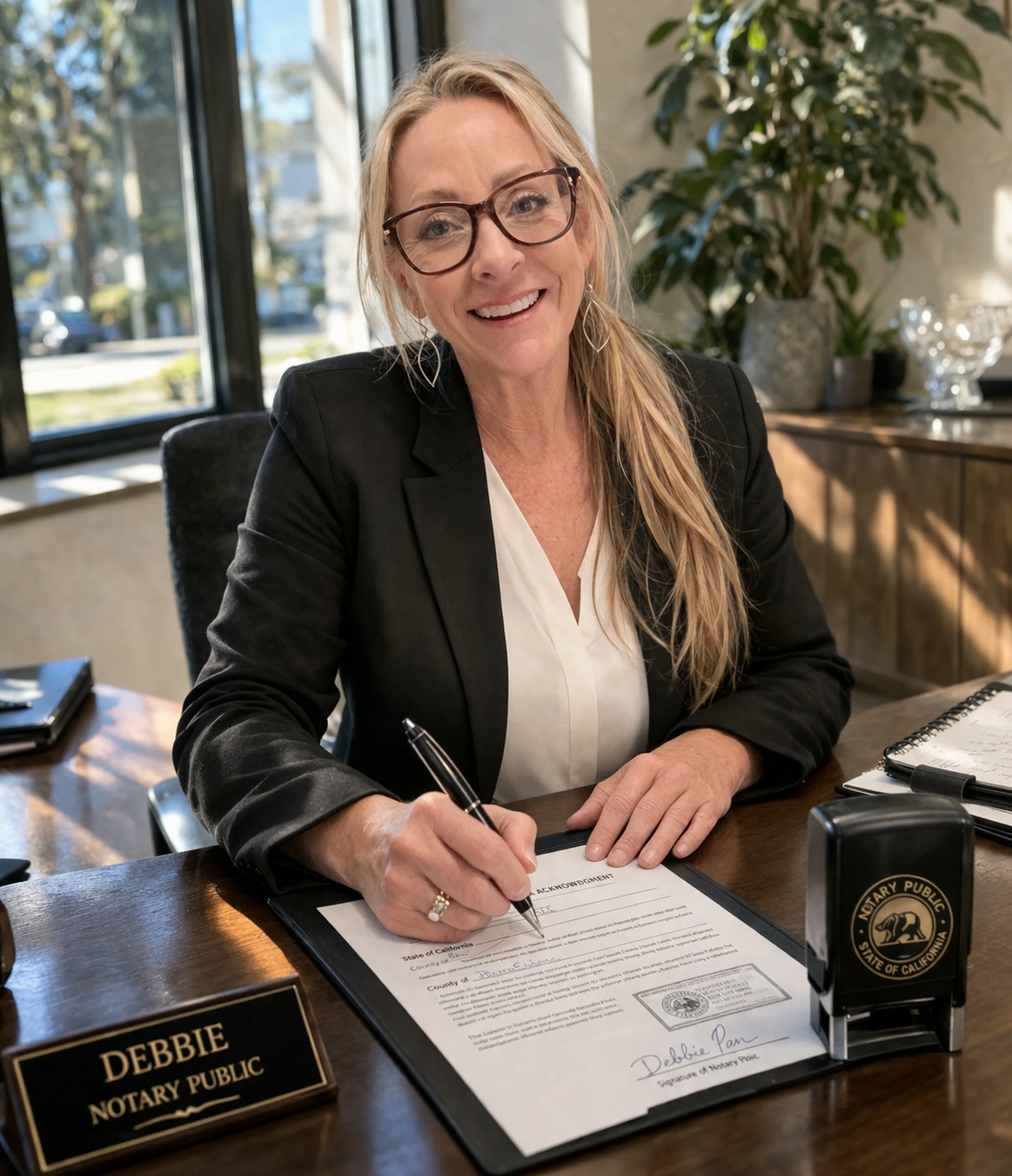
About the Author
Deborah Cuha
Licensed Utah Notary Public (Commission #742886) with 30+ years of experience. NNA Certified Loan Signing Agent and Certified Remote Signing Agent. Based in Park City, serving Summit, Wasatch, and Salt Lake counties.
Read Full Bio →